



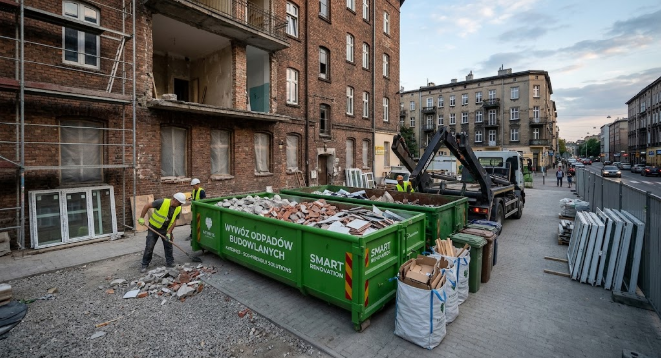

Renovation and construction projects can transform homes, offices, and commercial properties, but they also generate considerable amounts of waste. Broken bricks, concrete fragments, old tiles, plasterboard, timber, and discarded packaging can quickly accumulate during demolition and refurbishment. Without an effective waste management plan, these materials can create safety hazards, occupy valuable space, and slow down construction work.
- 1. Understanding Construction Waste and Its Environmental Impact
- 2. Why Professional Construction Waste Removal Matters
- 3. Choosing the Right Container for Your Renovation
- 4. Separate Construction Waste for Better Recycling
- 5. Eco-Friendly Practices for Renovation Projects
- 6. Understanding the Cost of Construction Waste Removal in Katowice
- 7. Following Local Requirements for Waste Collection
- 8. Common Mistakes to Avoid During Construction Waste Removal
- 9. How to Choose a Reliable Waste Removal Provider
- 10. Building a More Sustainable Future Through Responsible Disposal
- Conclusion
Responsible waste disposal is therefore an essential part of every successful renovation. For homeowners, contractors, and property managers in southern Poland, wywóz odpadów budowlanych Katowice services can help organize construction debris collection and support more environmentally responsible waste management.
Choosing an appropriate collection service is only one part of the process. Separating recyclable materials, selecting the right container, planning collection schedules, and following local disposal requirements can also make a significant difference.
This guide explores practical ways to manage construction waste efficiently while reducing its environmental impact during renovation projects in Katowice.
1. Understanding Construction Waste and Its Environmental Impact
Construction waste includes materials produced during building, demolition, repair, and renovation activities. Common examples include concrete, bricks, ceramic tiles, mortar, plasterboard, metal components, timber, and packaging materials.
Some waste is generated during the removal of old installations, while other materials come from cutting, measuring, and installing new building products. Even a relatively small bathroom renovation can produce several different waste categories.
When construction debris is not managed correctly, it can contribute to unnecessary landfill use and prevent reusable materials from being recovered. Improperly discarded waste may also damage surrounding areas or create problems for neighboring properties.
An organized disposal plan helps reduce these risks. By identifying the materials involved before work begins, property owners can arrange suitable collection and separate items that may be reused or recycled.
Responsible construction waste management supports cleaner worksites, improves project organization, and helps conserve resources that might otherwise be discarded.
2. Why Professional Construction Waste Removal Matters
Removing construction debris without suitable equipment can be difficult, especially when dealing with heavy materials such as concrete, bricks, and masonry. Repeatedly transporting small quantities of waste can also consume valuable time during a renovation.
Professional collection services provide a more organized approach. Depending on the provider, customers may be able to arrange suitable containers, scheduled collections, and transportation for specific categories of construction waste.
A dedicated collection system allows workers to place accepted materials in one designated location instead of leaving rubble scattered across the property. This can improve access, reduce obstructions, and make it easier to maintain a tidy worksite.
Professional waste removal can also simplify project scheduling. When delivery and collection dates are agreed upon in advance, waste management can be coordinated with demolition, installation, and finishing activities.
Before booking, explain the type of project and the materials that need to be removed. This helps the provider identify an appropriate service and clarify any restrictions concerning waste acceptance.
3. Choosing the Right Container for Your Renovation
Selecting a suitable container is one of the most important decisions when organizing construction waste removal. The correct size depends on the amount of debris, the materials involved, and the available space at the property.
A small home improvement project may require only a compact container, while a complete apartment renovation or commercial refurbishment could generate enough waste to require a larger option or multiple collections.
However, container volume is not the only consideration. Dense materials such as concrete, bricks, and soil can reach weight limits before a container appears full. Customers should therefore check both the permitted capacity and maximum loading weight.
Access conditions also matter. Narrow streets, restricted driveways, shared courtyards, and limited parking areas may influence which container can be delivered safely.
When arranging wywóz odpadów budowlanych Katowice, describe the expected quantity and type of waste to the provider. Asking for guidance before booking can help prevent unnecessary costs and collection delays.
4. Separate Construction Waste for Better Recycling
Waste separation is an effective way to improve the environmental performance of renovation projects. Different materials may have different recovery options, so keeping them separate can simplify subsequent handling.
Clean concrete and bricks may be suitable for processing into recycled aggregates. Metals can often be recovered, while certain timber products, cardboard, and packaging materials may be accepted through separate recycling systems.
Plasterboard and mixed construction waste may require specific collection and processing arrangements. Their acceptance depends on the provider and the facilities available.
Before placing anything in a container, confirm which materials are permitted. Mixing incompatible waste categories can complicate sorting and may lead to additional charges.
It is also important to distinguish ordinary construction debris from potentially hazardous materials. Asbestos-containing products, chemical substances, solvents, and certain paints may require specialized handling. They should not automatically be placed in a standard rubble container.
Separating materials at the source helps make waste collection more efficient and increases the possibility of recovering useful resources.
5. Eco-Friendly Practices for Renovation Projects
Sustainable construction waste management begins before demolition starts. Planning ahead can reduce the quantity of materials discarded and help identify opportunities for reuse.
For example, doors, cabinets, furniture, and certain building fixtures may remain suitable for reuse after careful removal. Donating or selling usable items can extend their life and reduce demand for replacement products.
Contractors can also plan material purchases more accurately to avoid ordering excessive quantities. Careful measuring and cutting may reduce offcuts, while protecting stored materials can prevent damage that would otherwise make them unusable.
Packaging should be managed separately where suitable collection options exist. Cardboard, metal packaging, and certain plastics may be recyclable if they are clean and accepted by the relevant facility.
When a renovation generates unavoidable waste, arrange collection according to its category rather than treating every material as ordinary rubbish.
These practices can help property owners reduce waste, improve resource efficiency, and support a more sustainable approach to renovation.
6. Understanding the Cost of Construction Waste Removal in Katowice
The cost of construction waste removal depends on several factors, including container size, waste category, collection frequency, transportation arrangements, and processing fees.
Clean mineral rubble may have different pricing conditions from mixed construction debris. Some materials may require specialized handling, while excessive weight or prohibited contents can result in additional charges.
The rental period may also affect the final price. If a renovation takes longer than expected, extending the container booking could increase the overall cost.
To avoid surprises, request a detailed quotation before confirming the service. Check whether delivery, collection, transportation, and waste processing are included.
Ask about weight limits, prohibited materials, and additional fees that could apply if the original estimate changes. Comparing several providers can help you understand the available options and choose a service that suits your project.
Careful planning can reduce unnecessary collections and improve budget control without compromising responsible disposal practices.
7. Following Local Requirements for Waste Collection
Construction waste must be handled according to applicable waste management rules. Property owners and contractors should understand the requirements relevant to their project and the type of materials being discarded.
Container placement is an important consideration. If a container will occupy a public road, pavement, or other publicly managed area, check whether authorization or a permit is required before delivery.
For apartment buildings and shared residential properties, coordination with the property manager may be necessary. This helps ensure that the container does not obstruct entrances, pedestrian routes, or access for emergency services.
Customers should also confirm that the collection provider accepts the specific waste category and can explain how it will be transported and processed.
Potentially hazardous materials may be subject to additional requirements, so they should be identified before work begins.
Taking these precautions helps avoid delays, reduces the risk of improper disposal, and makes construction waste management more predictable.
8. Common Mistakes to Avoid During Construction Waste Removal
Several common mistakes can make renovation cleanup more difficult than necessary.
Choosing an unsuitable container: A container that is too small may require additional collections, while one that is too large may increase costs unnecessarily.
Mixing different waste categories: Combining recyclable rubble with incompatible materials can make sorting more complicated and restrict recovery options.
Ignoring weight limits: Heavy materials may exceed the permitted load even when there is still space available in the container.
Booking too late: Waiting until the worksite is already full of debris can delay the project if collection equipment is unavailable.
Failing to confirm the price: Unclear rental periods, disposal charges, and weight restrictions may lead to unexpected expenses.
Disposing of hazardous materials incorrectly: Certain substances require specialist handling and should not be mixed with ordinary construction waste.
Avoiding these problems requires clear communication, suitable planning, and a good understanding of the materials generated by the project.
9. How to Choose a Reliable Waste Removal Provider
A dependable provider should offer clear information about its services, accepted materials, pricing, and collection arrangements.
Start by checking whether the company serves your location in Katowice and can deliver a suitable container within your required timeframe. Explain the nature of your renovation and provide a realistic estimate of the waste volume.
Ask how the collected materials are handled and whether recycling or recovery options are available. Transparent information about waste processing can help you evaluate the provider’s environmental practices.
It is also useful to review customer feedback and compare quotations from several companies. Look for clear terms, realistic scheduling, and responsive communication rather than relying only on the lowest advertised price.
Before confirming the booking, make sure the container can be placed safely and that the agreed collection date fits your renovation schedule.
A well-chosen service can simplify cleanup and help keep the entire project organized.
10. Building a More Sustainable Future Through Responsible Disposal
Construction and renovation will continue to generate waste, but better planning can reduce its environmental impact. Reusing suitable materials, purchasing supplies carefully, separating recyclable products, and arranging appropriate collection all contribute to more responsible resource management.
Homeowners can begin by identifying waste categories before demolition. Contractors can establish clear collection areas, while property managers can coordinate access and removal schedules.
For larger projects, regular checks can help determine whether the container size and collection frequency remain appropriate as the work progresses.
Choosing wywóz odpadów budowlanych Katowice services that clearly explain their collection and processing arrangements can support this process. Combining professional removal with thoughtful waste reduction and separation helps make renovation work more efficient and environmentally conscious.
Conclusion
Eco-friendly construction waste management is an essential part of responsible renovation. It helps maintain safer worksites, supports material recovery, and reduces unnecessary disposal of resources that may still have value.
By selecting the right container, separating waste correctly, understanding local placement requirements, and comparing transparent quotations, property owners can avoid common problems and improve the efficiency of their projects.
For homeowners, contractors, and businesses in Katowice, a well-planned waste removal strategy can make construction cleanup easier while encouraging more sustainable practices.
The most effective approach begins before the first demolition task. With careful preparation, responsible collection, and suitable recycling arrangements, renovation projects can progress smoothly while minimizing their impact on the surrounding environment.